
 English
 ไทย
ไทยSacred Riverside Heritage: An Authoritative Guide to Thonburi’s Royal Temples and Refined Stays at Hotel de Bangkok
The Chao Phraya River is far more than the great aqueous artery that has sustained Thai civilization for centuries; it is a profound historical corridor lined with priceless architectural marvels and sacred Buddhist art. This is especially evident on the “Thonburi” side—the western bank of the river that briefly served as Siam’s royal capital. Today, Thonburi serenely preserves its traditional waterways, unhurried lifestyle, and an extraordinary cluster of Royal Buddhist Monasteries. For travelers seeking deep spiritual grounding and authentic cultural immersion, tracing the temple pilgrimage route along the Thonburi riverbank is an indispensable, world-class heritage journey that must be experienced.
To present an authoritative and enriching itinerary, we have selected four historically monumental Royal Temples situated along the western banks of the Chao Phraya River, paired with a comprehensive etiquette guide to traditional Thai practices. When your day of architectural and spiritual exploration concludes, we invite you to retreat to the city center for a serene, sophisticated rest at Hotel de Bangkok—an urban boutique sanctuary that flawlessly exemplifies the SERENATA Hotels & Resorts Group’s motto: “Beyond Stay, Memorable Journey.”
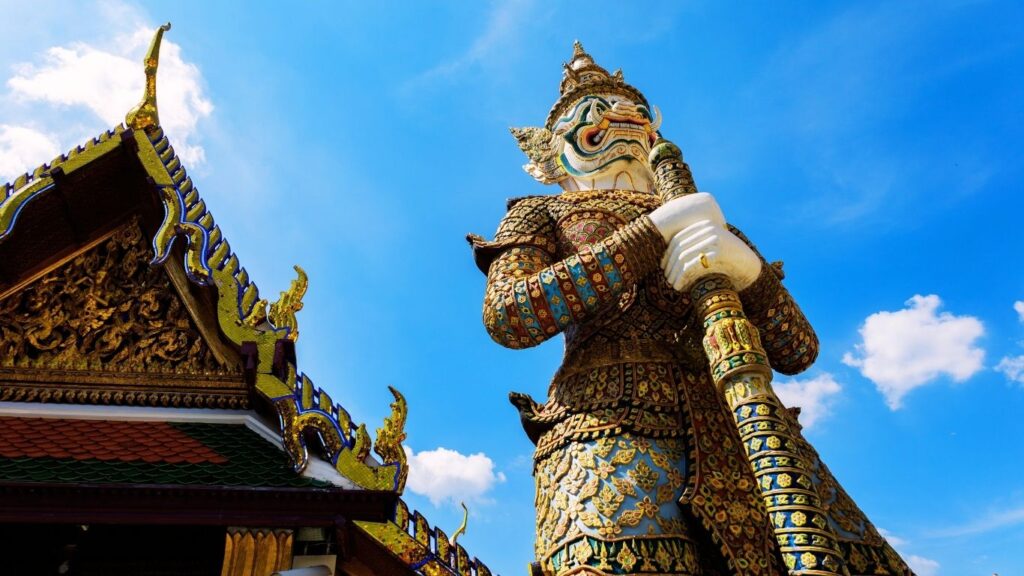
Four Iconic Thonburi Riverside Temples: Architectural Masterpieces of Faith
1. Wat Arun Ratchawararam Ratchawaramahawihan (The Temple of Dawn)
- Historical & Architectural Significance: Globally celebrated as the visual symbol of the Rattanakosin era, Wat Arun stands majestically on the Chao Phraya riverbank. Its defining architectural feature is the monumental central Prang (Khmer-style tower), which is intricately encased in thousands of colorful fragments of Chinese porcelain and seashells that shimmer brilliantly in the sunlight. This towering structure symbolizes Mount Meru, the cosmic center of the universe in traditional Buddhist and Hindu cosmology.
- Highlights & Observances: Ascend the steep terraces of the main Prang to inspect the phenomenal craftsmanship and floral mosaics up close. Inside the Ordination Hall, pay respects to the principal Buddha image, Phra Phuttha Thammasit Rat Lokathat Dilok, beneath whose pedestal rest the royal ashes of King Rama II. For the most evocative experience and photography, visit during the early morning hours as the first light illuminates the porcelain facades, or during the twilight hour to witness the silhouette against a fiery sunset.
2. Wat Rakhang Kositaram Woramahawihan (The Temple of the Bell)
- Historical & Architectural Significance: Dating back to the Ayutthaya period and significantly restored during the reign of King Rama I, this second-class Royal Monastery was named after an ancient, melodious bell unearthed on its grounds (which was subsequently moved to the Grand Palace). Wat Rakhang holds immense spiritual significance among Thai people due to its historical association with Somdet Phra Buddhacarya (To Brahmaramsi), one of Thailand’s most venerated and scholarly monks.
- Highlights & Observances: Enter the main pavilion to venerate the statue of Somdet To and join local devotees in reciting the powerful Chinnabanchon Sutra, a traditional chant believed to bestow spiritual protection, prosperity, and mental fortitude. Participate in the time-honored merit-making tradition of striking the line of bells surrounding the Ordination Hall, an act believed to bring a benevolent reputation and professional success. Conclude your visit by admiring the Ho Trai (rises-on-stilts Tripitaka Library), an exquisitely preserved ancient teak pavilion floating over a serene garden pond.
3. Wat Kalayanamitr Woramahawihan (The Temple of Good Friendship)
- Historical & Architectural Significance: Located at the mouth of the Bangkok Yai Canal, Wat Kalayanamitr was founded in 1825 by Chao Phraya Nikornbodin and dedicated as a royal tribute to King Rama III. The temple presents a masterful synthesis of traditional Thai and architectural Chinese influences, a hallmark of the Royal Patronage style during that era. The immense main Ordination Hall is architecturally unique, constructed without the customary ornamental timber finials (Chofah) on the roofline.
- Highlights & Observances: Step inside the cavernous vihara to behold Phra Phuttha Trairattananayok, affectionately revered by the Thai-Chinese community as “Luang Pho To” or “Sam Po Kong.” This colossal seated stucco Buddha in the Subduing Mara posture is the largest seated indoor Buddha image in Bangkok. Traditional belief dictates that worshipping here blesses pilgrims with genuine, enduring friendships, safe journeys, and flourishing commercial enterprises. The temple grounds also house the largest bronze bell in Thailand, suspended within a grand belfry.
4. Wat Prayurawongsawat Worawihan (The UNESCO Heritage Temple)
- Historical & Architectural Significance: Commissioned by Somdet Chao Phraya Borom Maha Prayurawong during the reign of King Rama III, this first-class Royal Monastery is renowned for its magnificent, brilliant-white Phra Borommathat Maha Chedi. This bell-shaped, Sri Lankan-style stupa achieved international acclaim in 2013 when its extensive structural restoration received the prestigious Award of Excellence in the UNESCO Asia-Pacific Awards for Cultural Heritage Conservation.
- Highlights & Observances: Walk around the pristine white Chedi and enter its inner core to examine the fascinating architectural brickwork and historical reliquary exhibits preserved inside. Afterward, visit “Khao Mo,” an elaborate, historic artificial rock garden surrounded by a tranquil moat. This shaded oasis serves as a sanctuary for hundreds of indigenous soft-shelled turtles and fish. Engaging in the gentle merit-making practice of feeding the turtles is traditionally believed to promote longevity and physical vitality.
An Authoritative Guide to Temple Etiquette, Traditions, and Preparation
Exploring Thailand’s sacred monastic spaces requires a thorough understanding of traditional cultural protocol. By observing these refined customs, visitors demonstrate deep respect for local heritage while experiencing a more profound and dignified journey.
1. The Mandatory Dress Code (Sartorial Decorum)
- For Women: Shoulders, chest, and knees must be completely covered at all times. Sleeveless tops, sheer fabrics, fitted activewear, cropped shirts, and low-cut necklines are strictly prohibited within temple precincts. Skirts, dresses, or trousers must extend well below the knee; short skirts and high-slung slits are not permitted.
- For Men: Shirts with sleeves (collared shirts or respectful t-shirts) and long trousers are required. Athletic shorts, sleeveless gym singlets, and beachwear are deemed highly inappropriate for sacred grounds.
- Footwear: Wear comfortable, easily removable slip-on shoes or loafers. Custom strictly mandates removing all footwear before crossing the threshold into any Ordination Hall (Ubosot), Vihara, or sacred Chedi pavilion.
2. Physical Conduct and Behavioral Composure
- Reverence of Space: Maintain an atmosphere of quiet dignity. Speak in subdued, softened tones and silence all cellular devices before entering prayer halls. Running, loud laughter, or disruptive behaviors are strictly frowned upon within monastic sanctuaries.
- Postural Etiquette: When sitting on the floor before a Buddha statue or practicing monks, adopt the traditional Phapphiap posture (sitting with legs tucked neatly to one side). Never sit cross-legged in a casual manner, and under no circumstances should you ever point the soles of your feet or shoes toward Buddha images, monks, or religious altars, as the feet are considered the lowest and least pure part of the body in Thai culture.
- Photography Guidelines: Photography of architecture and Buddha images is generally permitted for personal memory, provided it is done respectfully. Never climb on ancient structures, statues, or altars for a photograph. Do not pose in exaggerated or disrespectful manners, and refrain from using flash photography inside darkened historical interiors to protect centuries-old wall murals from light degradation.
3. Understanding Traditional Offerings and Merit-Making
- Lotus Flowers, Incense, and Candles: In Buddhist symbolism, the lotus flower represents spiritual purity and enlightenment emerging from worldly waters; the lit candle signifies the illumination of wisdom; and the fragrance of incense represents the pervasive nature of moral purity. Always light incense and candles only at designated exterior altars to prevent smoke accumulation from damaging interior artistic masterpieces.
- Gold Leaf Application: Gently pressing delicate squares of gold leaf onto designated miniature Buddha statues is a customary act of veneration. This practice represents self-sacrifice and is traditionally believed to bring personal radiance and spiritual refinement.
4. Seamless Transportation and Transit Logistics
- To navigate the Thonburi riverside temples effortlessly while bypassing vehicular traffic, utilize the Chao Phraya Express Boat network or dedicated tourist river vessels. Begin your journey at the Saphan Taksin Pier (conveniently connected to the BTS Skytrain Saphan Taksin Station). From there, disembark at specific temple piers or utilize the quick cross-river ferries operating between the old city (Phra Nakhon) and Thonburi, such as the Tha Tien to Wat Arun ferry or the Tha Phra Chan to Wat Rakhang crossing.
Hotel de Bangkok: An Urban Boutique Sanctuary in the City Heart
After an inspiring day spent navigating historical riverbanks and absorbing the spiritual tranquility of Thonburi’s royal temples, returning to a serene, intimate living space is paramount. Hotel de Bangkok provides the ultimate urban refuge for discerning travelers who value sophisticated comfort, strategic positioning, and authentic hospitality.
1. Quiet Luxury and Intimate Scale
Embodying the SERENATA group’s “Quiet Luxury” philosophy, Hotel de Bangkok avoids overwhelming, impersonal grandeur in favor of refined, understated elegance. With an exclusive inventory of just 50 thoughtfully appointed rooms, the hotel guarantees an atmosphere of peace, privacy, and personalized attention. The interior design utilizes a soothing visual palette of cream and modern gold, seamlessly merging contemporary urban aesthetics with warm, culturally grounded Thai hospitality. After a day of sensory exploration, stepping into the hotel feels like returning to a private urban residence.
2. Culinary Refinement at Table 12 Restaurant
A definitive highlight of the property is Table 12 Restaurant, the hotel’s signature culinary venue. Here, guests can indulge in authentic Thai culinary creations and expertly prepared international classics without needing to venture back into the bustling city traffic. Table 12 prides itself on utilizing premium, locally sourced ingredients to craft dishes that honor traditional flavor profiles. The restaurant’s warm, intimate ambiance provides the perfect setting for a relaxed evening dinner, allowing you to reflect on your cultural discoveries over an exceptional meal.
3. Strategic Connectivity for the Urban Explorer
While situated in a peaceful enclave that shields guests from metropolitan noise, Hotel de Bangkok boasts remarkable urban connectivity. Located in the vibrant Phaya Thai district, the property offers effortless walking access to both the BTS Skytrain network and the Airport Rail Link. This strategic positioning allows travelers to travel seamlessly to the riverside piers via the BTS Skytrain (to Saphan Taksin Station) in mere minutes, while also providing rapid, direct connections to Bangkok’s premier shopping districts and international airports.
Conclusion: Coupling an enriching spiritual pilgrimage across Thonburi’s royal riverside temples with a serene, sophisticated stay at Hotel de Bangkok creates a perfectly balanced travel itinerary. This harmonious blend of rich cultural immersion and quiet urban luxury elevates your Bangkok holiday from a simple vacation into a truly “Memorable Journey.”
Experience refined quiet luxury in the heart of Bangkok. Reserve your boutique room today at: www.hoteldebangkok.com